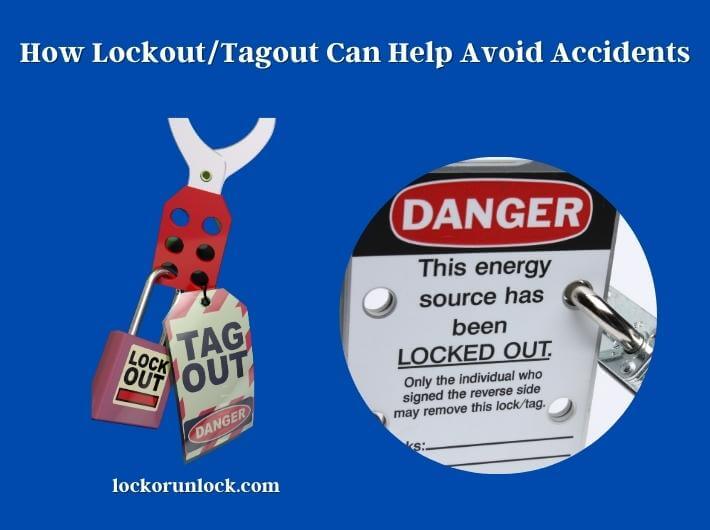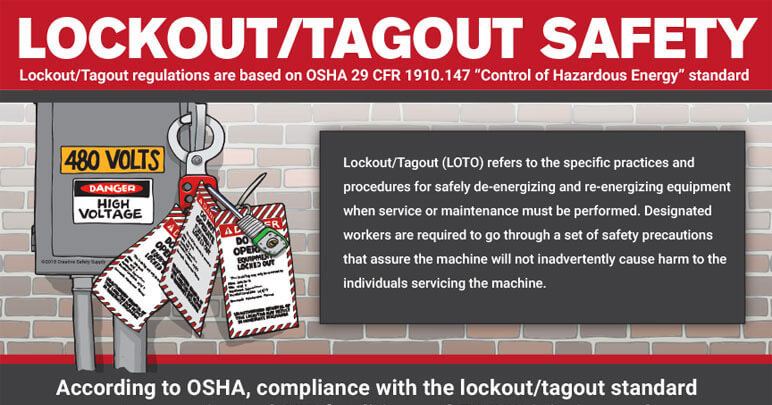
Every year, hundreds of workers suffer severe injuries—or worse—because equipment energizes unexpectedly during maintenance. These incidents aren’t just accidents; they’re preventable failures in safety systems. At the heart of that prevention is Lockout Tagout (LOTO), a critical OSHA-mandated practice designed to isolate hazardous energy sources and protect workers.
Despite clear regulations and proven methods, compliance gaps persist. Misunderstandings about procedure scope, inconsistent training, and poor implementation lead to dangerous oversights. This isn’t just about following rules—it’s about creating a culture where safety is non-negotiable.
Here’s how to build and maintain a lockout tagout program that meets OSHA standards and, more importantly, keeps workers safe.
What Is Lockout Tagout and Why OSHA Enforces It
Lockout Tagout (LOTO) is a safety procedure used to ensure that dangerous machines and energy sources are properly shut off and isolated before maintenance or servicing. The "lockout" component involves physically locking energy-isolating devices—like circuit breakers or valve switches—so they can't be turned on. The "tagout" portion includes affixing warning tags that identify the worker responsible, the reason for shutdown, and the time.
OSHA’s standard, outlined in 29 CFR 1910.147, exists because uncontrolled energy release causes approximately 120 fatalities and nearly 50,000 injuries annually in the U.S. These events occur during routine tasks like cleaning, repairing, or unjamming machinery. Without LOTO, a simple misstep—like someone flipping a switch unaware—can turn routine maintenance into a catastrophe.
The standard applies to all forms of hazardous energy: electrical, mechanical, hydraulic, pneumatic, chemical, thermal, and gravitational. Industries most impacted include manufacturing, printing, food processing, and chemical production—any setting where machines require service under hazardous conditions.
OSHA’s Core Requirements for LOTO Programs
To comply with OSHA, employers must establish a comprehensive energy control program. This isn’t a one-time checklist—it’s an ongoing system built on policy, training, and verification.
Key requirements include:
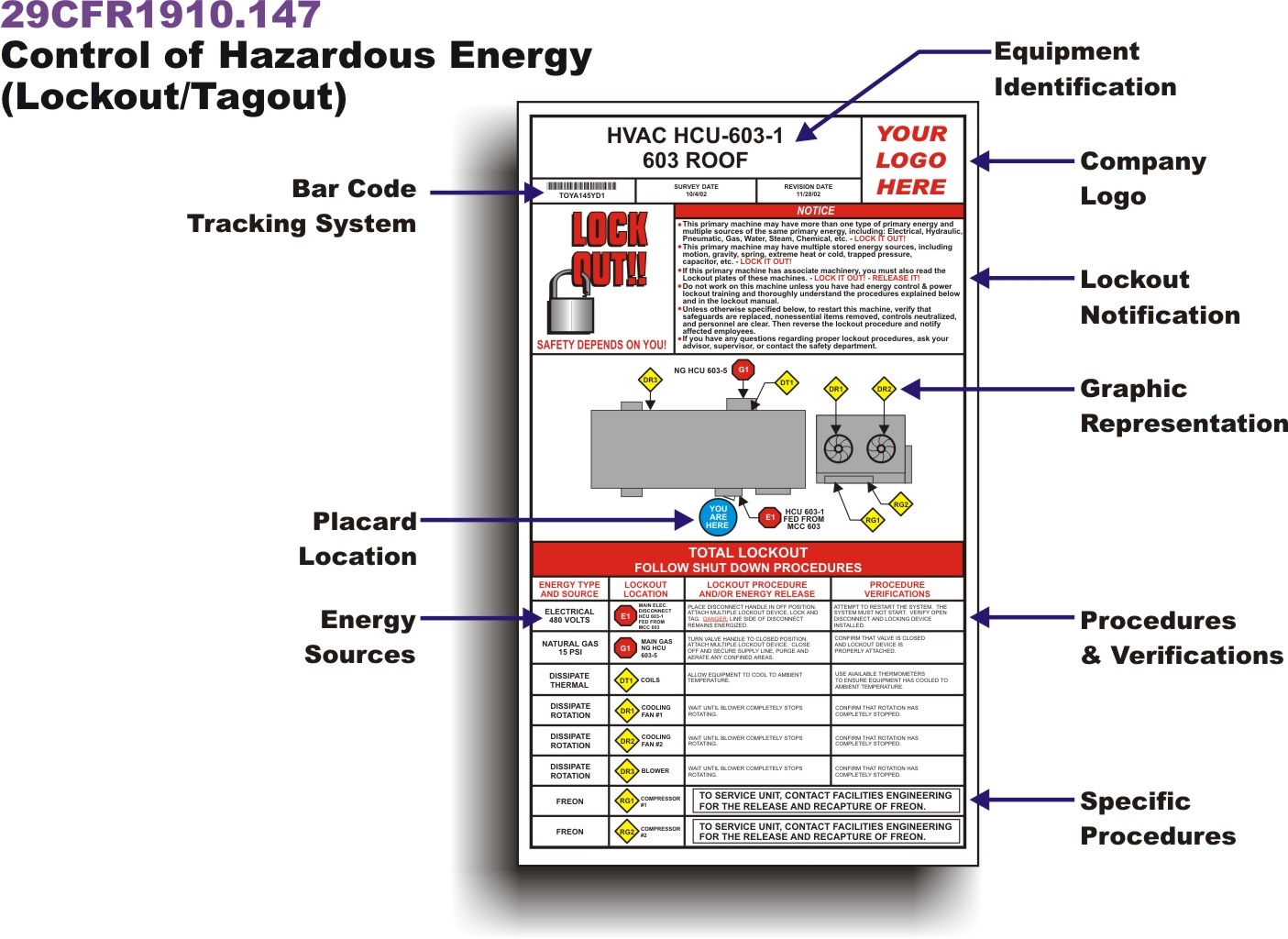
- Written Procedures: Every machine or piece of equipment with hazardous energy must have a documented LOTO procedure. These aren’t generic templates—they must be specific to the equipment, detailing shutdown steps, energy source locations, lock application points, and verification methods.
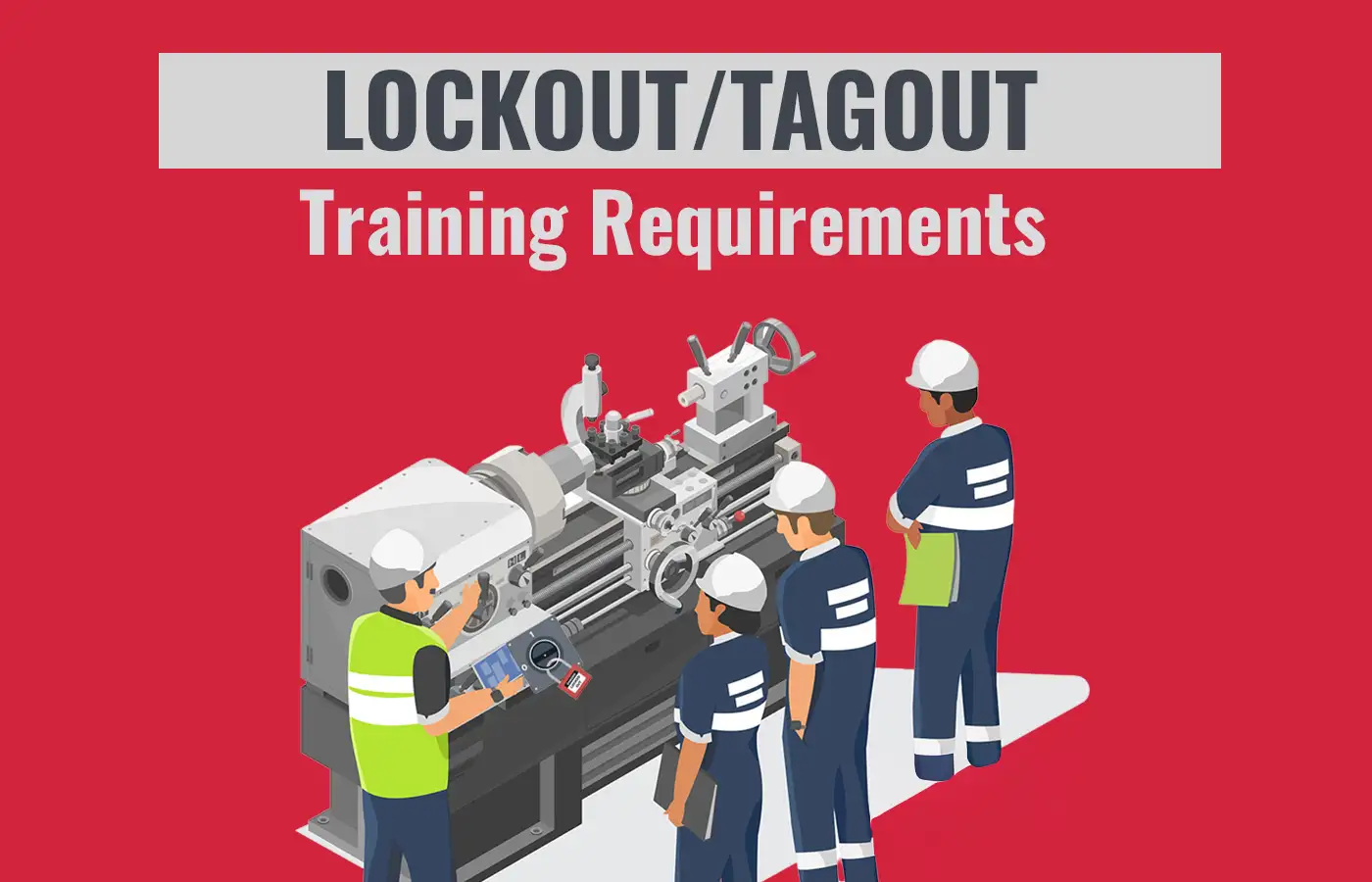
- Employee Training: OSHA distinguishes between authorized employees (those who perform LOTO) and affected employees (those who operate or use equipment). Authorized staff must be trained on implementation, while affected employees need to understand the purpose and do’s/don’ts of LOTO.
- Periodic Inspections: At least annually, a supervisor must inspect each energy control procedure. The goal isn't just compliance—it’s validation. Is the procedure being followed correctly? Are locks effective? Are tags visible? The inspection must be documented and include a review with the affected employees.
- Locks and Tags: Devices must be durable, standardized, and uniquely identifiable. A worker’s personal lock should only be removable by that worker—unless a formal, documented process (like shift change or emergency) allows otherwise.
Failure to meet any of these requirements can result in OSHA citations. Common violations include using household padlocks, skipping annual audits, or allowing tag-only systems on equipment where lockout is feasible.
Common LOTO Mistakes That Put Workers at Risk
Even facilities with LOTO programs in place often fall into avoidable traps. These aren’t minor oversights—they’re near-misses waiting to happen.
1. Using Tags Without Locks Where Locks Are Possible Tagout alone is less secure. Tags can be ignored, damaged, or removed accidentally. OSHA permits tagout-only systems only if energy-isolating devices aren’t designed for lock application. If a lock can be used, it must be used.
2. Group Lockout Confusion In multi-craft maintenance, multiple workers may need to lock out the same machine. A common flaw is using a single lockbox or master lock. Correct practice: each worker applies their own lock. Only when all individual locks are removed can the machine be re-energized.
3. Skipping Energy Verification Applying a lock isn’t enough. Workers must verify zero-energy state—testing buttons, checking gauges, trying to start the machine (after ensuring no one is near). Skipping this step assumes safety instead of confirming it.
4. Incomplete Procedures Generic or outdated LOTO instructions lead to errors. For example, a procedure might mention “disconnect power” but fail to specify which disconnect switch on a complex machine. Precision saves lives.
5. Poor Training Retention One-time training isn’t sufficient. Workers forget steps, especially on infrequently serviced equipment. Refresher training and hands-on drills reinforce memory and confidence.
These mistakes aren’t just compliance issues—they’re behavioral indicators of a thin safety culture.
Real-World LOTO Scenarios: Lessons from the Field
Consider a packaging plant where an operator attempted to clear a jam on a conveyor belt. The line was “shut off,” but no lockout was applied. A coworker, unaware of the maintenance, restarted the system remotely. The operator suffered severe arm injuries.
Investigation revealed: - No written LOTO procedure existed for that machine - Affected employees weren’t trained on lockout boundaries - No lockable disconnect switch was installed
This incident violated multiple OSHA requirements—and could have been prevented with a 15-minute procedure.
Another case: A maintenance technician locked out a hydraulic press but failed to bleed residual pressure. When he began disassembly, stored energy discharged, causing a crushing injury. Here, the failure was procedural—verification steps weren’t followed, and the written LOTO didn’t address residual energy.
These examples underscore a truth: LOTO isn’t just about locks. It’s about a complete safety workflow—from shutdown to startup.
How to Build a Compliant and Effective LOTO Program
Start by conducting a full equipment audit. Identify every machine with hazardous energy sources. Then, build your program in phases:
1. Develop Machine-Specific Procedures For each piece of equipment, document: - Energy types involved - Shutdown sequence - Isolation points (valves, breakers, etc.) - Lock application steps - Verification method - Steps for safe restart
Use diagrams or photos to clarify complex setups.
2. Select Standardized LOTO Devices Choose locks, tags, hasps, and lockboxes that are: - Durable (resistant to environmental conditions) - Color-coded or labeled per employee - Not used for non-safety purposes
Example: Red locks for electrical, yellow for mechanical—consistency prevents confusion.
3. Train and Certify Employees Training should include: - Hands-on lockout practice - Recognition of energy sources - Group lockout protocols - Emergency release procedures
Keep records of all sessions and conduct refreshers every 12 months.
4. Conduct Annual Inspections During inspections: - Observe a real LOTO event - Interview the worker performing it - Compare actions to written procedure - Document gaps and correct them immediately
This isn’t a compliance formality—it’s a frontline defense.
5. Review and Update Regularly Equipment changes, new hires, or near-misses should trigger a review. Outdated procedures are worse than no procedures—they create false confidence.
Equipment and Tools That Strengthen LOTO Implementation
While LOTO is a process, the right tools make it more reliable and easier to follow. Investing in quality devices isn’t overhead—it’s risk reduction.
Here are five essential LOTO tools used by safety-forward facilities:
| Tool | Purpose | Industry Example |
|---|---|---|
| Lockout Hasps | Allow multiple workers to apply individual locks to a single isolation point | Automotive assembly line maintenance |
| Danger Tags | Clearly communicate shutdown status, worker name, and date | Chemical plant valve isolation |
| Breaker Lockouts | Secure circuit breakers in the “off” position | Food processing equipment repair |
| Valve Lockouts | Prevent accidental opening of gas, steam, or fluid lines | Paper mill boiler maintenance |
| Group Lockout Stations | Centralized boxes for managing multi-worker lockout scenarios | Steel fabrication plant |
These tools standardize the process and reduce human error. A well-stocked LOTO station near high-risk equipment ensures workers have what they need—when they need it.
The High Cost of Non-Compliance
Ignoring LOTO doesn’t just endanger lives—it carries steep financial and legal consequences.
OSHA fines for LOTO violations rank among the most common and costly. In recent years, penalties have exceeded $100,000 for single incidents, especially when willful or repeat violations are found. But the real cost goes beyond fines.
Consider: - Workers’ compensation claims - Downtime during investigations - Reputational damage - Loss of employee trust
One manufacturer paid over $300,000 after a worker lost a hand in an unguarded, un-locked press. OSHA cited inadequate LOTO procedures and lack of training. The human cost? Irreplaceable.
Compliance isn’t expensive. Non-compliance is.
Making LOTO Part of Your Safety Culture
The most effective LOTO programs aren’t just enforced—they’re embraced. Workers don’t follow procedures because OSHA says so; they follow them because they believe in them.
Build that culture by: - Involving frontline workers in procedure development - Recognizing safe behavior publicly - Encouraging stop-work authority—anyone can halt a job if LOTO seems incomplete - Sharing real incident stories (anonymized) to reinforce the stakes
When employees see LOTO not as red tape but as personal protection, compliance becomes instinctive.
Act now. Audit your equipment. Write your procedures. Train your team. A single lock could be the difference between a safe shift and a life-altering injury. LOTO isn’t just an OSHA rule—it’s a promise to bring every worker home safely.
Frequently Asked Questions
What is the OSHA standard for lockout tagout? OSHA 29 CFR 1910.147 covers the control of hazardous energy and outlines requirements for lockout tagout procedures, training, and inspections.
Who needs LOTO training? Authorized employees (who perform lockout) and affected employees (who operate equipment) both require training, though the depth differs.
Can tagout be used instead of lockout? Only if the equipment isn’t designed for lock application. Tagout alone is less secure and requires additional safety measures.
How often must LOTO procedures be inspected? At least annually, with documentation and employee review.
What must a LOTO procedure include? Step-by-step shutdown, isolation points, lock application, verification of zero energy, and safe restart steps.
Do all machines need a LOTO procedure? Yes, any machine or equipment with hazardous energy sources that requires servicing must have a documented procedure.
What happens if a worker forgets to remove their lock? A formal removal process—typically involving a supervisor, verification of absence, and documented release—must be followed. Never force or cut a lock without authorization.
FAQ
What should you look for in Lockout Tagout Safety: OSHA Compliance That Saves Lives? Focus on relevance, practical value, and how well the solution matches real user intent.
Is Lockout Tagout Safety: OSHA Compliance That Saves Lives suitable for beginners? That depends on the workflow, but a clear step-by-step approach usually makes it easier to start.
How do you compare options around Lockout Tagout Safety: OSHA Compliance That Saves Lives? Compare features, trust signals, limitations, pricing, and ease of implementation.
What mistakes should you avoid? Avoid generic choices, weak validation, and decisions based only on marketing claims.
What is the next best step? Shortlist the most relevant options, validate them quickly, and refine from real-world results.