Workers servicing machinery risk severe injury—or worse—if unexpected energy release occurs. A single misstep, skipped step, or overlooked lock can turn routine maintenance into a catastrophe. The lock out tag out simple procedure exists to eliminate that risk. It’s not just compliance—it’s a frontline defense against electrocution, amputation, and mechanical failure. When done right, it’s systematic, repeatable, and universally understood across teams.
This guide walks through a practical, real-world lock out tag out (LOTO) procedure anyone can implement—no engineering degree required. It’s designed for supervisors, maintenance crews, and safety officers who need clarity, not complexity.
What Is a Lock Out Tag Out Simple Procedure?
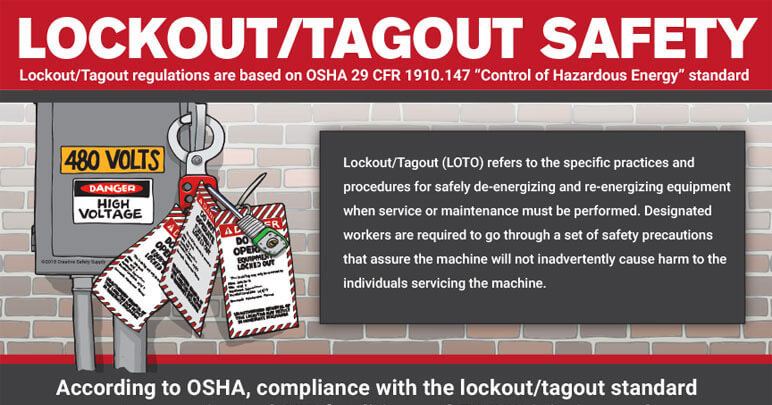
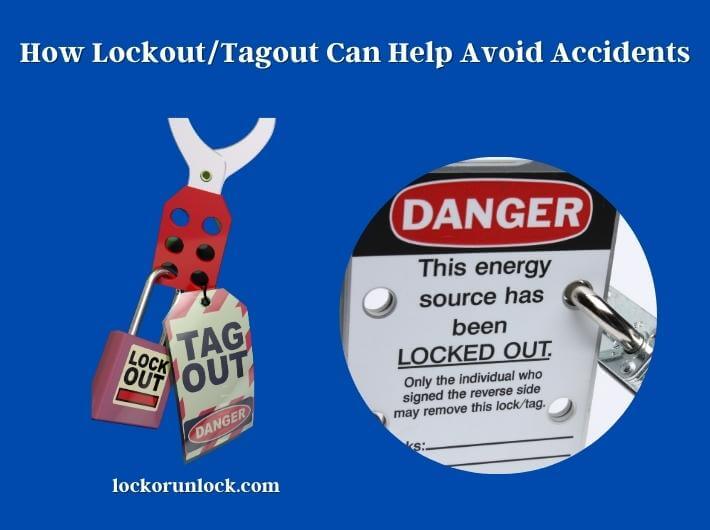
Lock out tag out (LOTO) is a safety protocol used to isolate energy sources from machinery before maintenance or servicing. The “lock out” part physically prevents equipment from being energized using locks. The “tag out” component communicates why the lock exists, who applied it, and when it can be removed.
A simple LOTO procedure strips away unnecessary jargon and focuses on clarity, consistency, and human factors. It’s not about lengthy manuals—it's about steps that are easy to follow, hard to skip, and effective every time.
Why simplicity matters: Complex procedures lead to shortcuts. Workers under time pressure may skip steps if they’re unsure or overloaded. A simplified LOTO process reduces cognitive load and increases compliance.
Step-by-Step: Executing a Basic LOTO Procedure
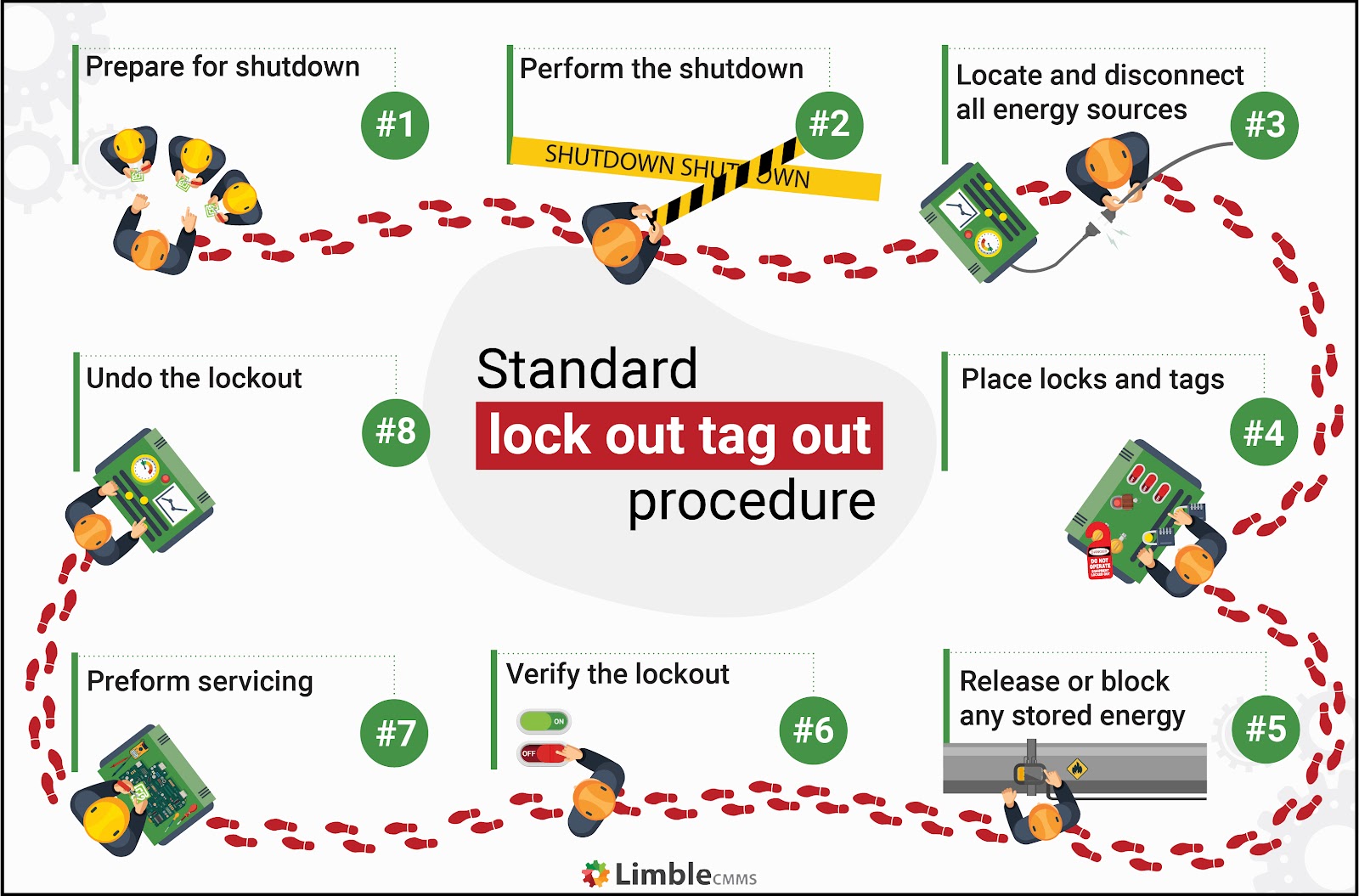
A reliable lock out tag out simple procedure follows six core steps. These are aligned with OSHA 1910.147 standards but presented in a way that frontline workers can execute without hesitation.
#### 1. Prepare for Shutdown
Before touching any machine, identify all energy sources: electrical, hydraulic, pneumatic, mechanical, thermal, or chemical. Review the machine’s LOTO plan if available. If not, create a quick risk assessment.
Example: A conveyor system may have electric motors, tension springs, and overhead gravity feed—each capable of releasing hazardous energy.
Ensure all personnel involved understand the scope of work and the shutdown process.
#### 2. Notify Affected Employees
Alert everyone who operates or works near the equipment. Use clear verbal communication and visual cues (e.g., warning signs). This prevents someone from unknowingly re-energizing equipment.
Common Mistake: Assuming others “know what’s going on.” Always confirm awareness.
#### 3. Shut Down the Equipment
Use normal stopping procedures—no exceptions. Press emergency stops only in emergencies; they don’t replace proper shutdown sequences.
Wait for all moving parts to stop completely. Coasting blades, spinning belts, or draining fluid lines can still cause harm.
#### 4. Isolate All Energy Sources
This is the heart of the procedure. Physically disconnect every energy source:
- Flip circuit breakers and padlock them
- Close valves and bleed lines
- Block moving parts with mechanical stops
- Depressurize pneumatic/hydraulic systems

Use group lockout boxes if multiple workers are involved.
Pro Tip: Label isolation points (e.g., “Main Power Disconnect – Line 3”) so there’s no confusion during emergencies or shift changes.
#### 5. Apply Locks and Tags
Each authorized employee applies their personal lock and tag. Never use master keys or shared locks. Tags must include:
- Name of the person who applied the lock
- Date and time
- Reason for the lockout
- Expected duration
Tags are temporary—locks are the primary safeguard.
Critical Rule: Only the person who installed the lock can remove it. Exceptions (e.g., shift changes) require formal transfer procedures, not casual handoffs.
#### 6. Verify Zero Energy State
Before work begins, test the equipment. Try to start it (safely). Check pressure gauges. Confirm lines are depressurized. This verification step proves the system is truly de-energized.
Never skip verification. Assumptions kill.
Common Mistakes That Break the Procedure
Even with a simple process, human error undermines safety. These mistakes are frequently cited in OSHA investigations:
- Using one lock for multiple energy sources – Each source needs its own lock.
- Leaving tags without locks – Tags alone don’t physically prevent startup.
- Failing to verify isolation – Just because it’s turned off doesn’t mean it’s safe.
- Removing locks for someone else – This bypasses accountability.
- Rushing re-energization – Skipping final checks or communication.
Real-World Case: In a Midwest warehouse, a technician re-energized a conveyor to “test alignment” while a colleague was still adjusting rollers. The result: a crushed hand. The root cause? Bypassed LOTO verification and dual-person work without lockbox coordination.
When Simplicity Meets Complexity: Special Cases
Not all machines fit the “simple” model. Some require additional controls:
#### Mobile Equipment Vehicles and portable machinery introduce motion risks. Use wheel chocks, disable starters, and store keys separately.
#### Stored Energy Springs, capacitors, and elevated loads store energy even after shutdown. Bleed, block, or drain them before work.
#### Group Lockout When multiple workers service one machine, use a lockout hasp and group box. Each person locks the hasp, and their individual lock secures the box containing the single master key.
#### Shift Changes If work spans shifts, conduct a formal handover. The outgoing worker removes their lock only after the incoming worker has applied theirs.
Tools and Devices That Support a Simple LOTO Process
Even the best procedure needs the right tools. These devices reduce error and reinforce consistency:
| Tool | Purpose | Best For |
|---|---|---|
| Lockout Hasps | Allows multiple locks on one isolation point | Group maintenance |
| Circuit Breaker Locks | Prevents re-activation of electrical panels | Electrical systems |
| Ball Valve Lockouts | Secures valve handles in closed position | Pneumatic/hydraulic lines |
| Tagout Tags (with write-on fields) | Communicates lock reason and owner | All applications |
| Lockout Stations | Centralized storage for locks, tags, hasps | High-traffic areas |
Workflow Tip: Keep LOTO kits near service zones. If workers have to walk 50 feet to find a lock, they’ll improvise—often unsafely.
How to Train Teams on a Simple LOTO Procedure
Training isn’t a one-time event. It’s a cycle of instruction, practice, and audit.
- Start with a live demo – Show the full procedure on actual equipment.
- Simulate common errors – Let trainees see what happens when a step is skipped.
- Conduct blind drills – Randomly test teams during maintenance.
- Review real incidents – Share anonymized near-misses to reinforce lessons.
Empower workers to stop work if LOTO isn’t followed. A culture of safety starts with permission to speak up.
Making LOTO Procedures Accessible and Actionable
A procedure locked in a binder is useless. Make it visible:
- Post laminated checklists near machines
- Use color-coded tags for departments or energy types
- Include QR codes linking to digital LOTO guides
Update procedures when equipment changes. Outdated instructions are worse than no instructions.
Example: A food processing plant uses magnetic LOTO checklists on each machine. Operators scan a code before starting—pulling up the correct isolation steps on a tablet. It’s simple, auditable, and effective.
Closing: Safety Is a Procedure, Not a Slogan
A lock out tag out simple procedure isn’t about checking boxes. It’s about ensuring that every worker goes home whole. The steps are straightforward, but their execution demands discipline. When you simplify the process without sacrificing rigor, you remove excuses and build a culture where safety is standard practice—not an afterthought.
Start today: review one machine’s LOTO plan. Walk through the steps. Fix what’s unclear. Repeat.
Because in the end, the simplest procedure is the one that actually works.
Frequently Asked Questions
What is the first step in a lock out tag out procedure? The first step is preparing for shutdown by identifying all energy sources and notifying affected employees.
Can tags be used without locks? No. Tags are warnings, not safeguards. Only locks physically prevent equipment activation.
Who can remove a lockout device? Only the authorized employee who applied the lock may remove it, unless a formal transfer procedure is followed.
Do all machines require LOTO? Most do, unless they’re powered by unplugging and the plug is under exclusive control of the worker.
What happens if a lock is lost or the worker is absent? A supervisor may remove the lock following a documented procedure, including verification that the worker is not present and the machine is safe.
Is LOTO required for routine maintenance like cleaning? Yes, if the task involves removing guards or reaching into danger zones, LOTO is required.
How often should LOTO procedures be audited? OSHA requires annual inspections to ensure compliance and correct any deviations.
FAQ
What should you look for in Lock Out Tag Out Simple Procedure for Workplace Safety? Focus on relevance, practical value, and how well the solution matches real user intent.
Is Lock Out Tag Out Simple Procedure for Workplace Safety suitable for beginners? That depends on the workflow, but a clear step-by-step approach usually makes it easier to start.
How do you compare options around Lock Out Tag Out Simple Procedure for Workplace Safety? Compare features, trust signals, limitations, pricing, and ease of implementation.
What mistakes should you avoid? Avoid generic choices, weak validation, and decisions based only on marketing claims.
What is the next best step? Shortlist the most relevant options, validate them quickly, and refine from real-world results.